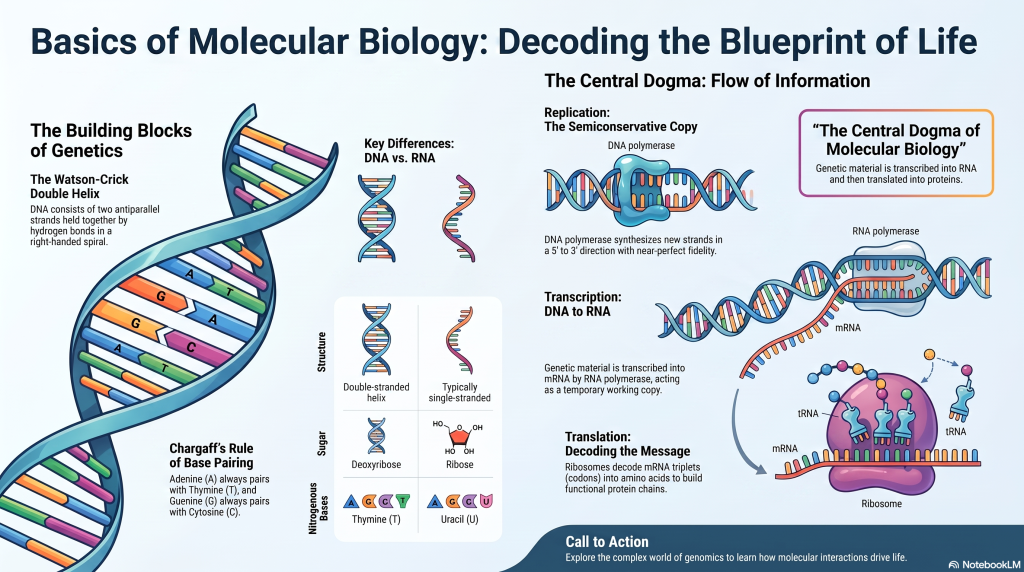
A comprehensive description of the process of DNA replication in prokaryotes, detailing the three main stages: initiation, elongation, and termination.
Introduction: The Cell's Amazing Copying Machine Before any cell can divide to create two new daughter cells, it must first perform one of life's most fundamental tasks: making a perfect…
A new large-scale crop trial study demonstrates how fungicide metrafenone, Bacillus-based biocontrols, and salting techniques effectively control dry bubble disease in button mushrooms. The research identifies the optimal inoculation level for testing treatments and highlights sustainable disease-management strategies.
A new two-year study evaluates nano-NPK fertilizers in high-density ‘Super Chief’ apple orchards, revealing significant improvements in fruit size, sugar content, firmness, and overall quality—while enabling a 25% reduction in conventional chemical fertilizers.
New research identifies potent endophytic bacteria from wild ginger relatives that strongly inhibit Pythium myriotylum and Pythium deliense, the pathogens responsible for severe soft rot. The study highlights bacterial metabolites as promising eco-friendly alternatives to fungicides.
A new two-tiered methodology has identified Pseudomonas migulae 23P as a highly robust plant growth-promoting bacterium capable of surviving heat, resisting fungicides, and improving nitrogen uptake and biomass in durum wheat under both controlled and field conditions.
A new study demonstrates how Pseudomonas aeruginosa PA1045 and Alcaligenes faecalis IHB B 6507 efficiently convert chicken feather waste into nutrient-rich hydrolysates. Characterization via SEM, FTIR, protein profiling, and maize-plant trials shows strong potential for sustainable organic fertilizer production.
A new study investigates whether heptelidic (koningic) acid acts as a microbial hormone regulating secondary metabolism in Trichoderma virens. Transcriptomic and metabolomic analyses reveal broad downregulation of major metabolite clusters in heptelidic acid–deficient mutants.
A new study reveals that marine bacterium Vreelandella titanicae GPM3 improves salt tolerance in Arabidopsis through genomic, physiological, and molecular mechanisms.