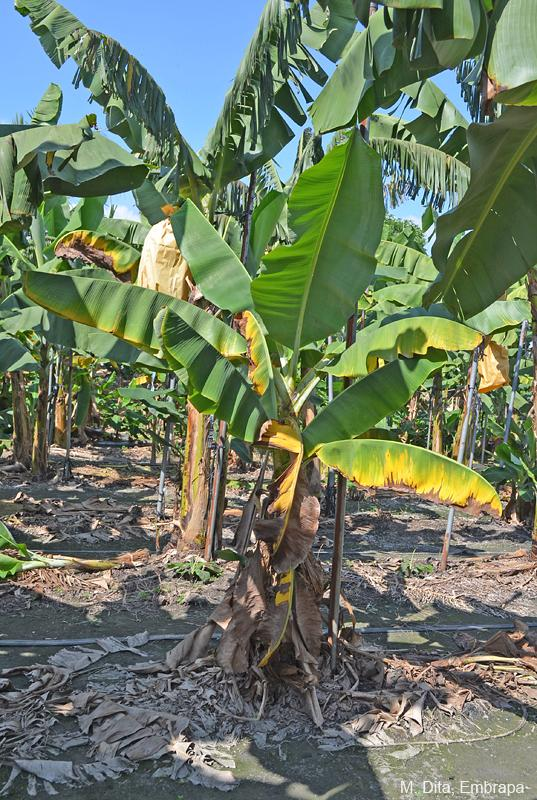





Discover how plants build new organs to form mutualistic or parasitic relationships. A new review in Trends in Plant Science reveals the hormonal networks driving galls, nodules, and haustoria—redefining our understanding of plant development and adaptability.
A new study shows that Bacillus megaterium can efficiently sequester atmospheric CO₂ into calcium carbonate via the carbonic anhydrase pathway—avoiding the ammonia byproducts of traditional ureolytic biocementation. A potential game-changer in sustainable construction and carbon capture.
A pioneering initiative modeled after the Svalbard Seed Vault, the Microbiota Vault aims to safeguard microbial biodiversity from humans, animals, and the environment—preserving life’s smallest yet most critical forms for future health and ecosystem stability.
In a groundbreaking study published in Cell Genomics, researchers have uncovered how liver regeneration enhancers orchestrate the organ’s repair process following injury.
The new device, designed through computational fluid dynamics (CFD) and manufactured via 3D printing, resolves longstanding inefficiencies in delivering genetic material using particle bombardment—a core method in plant transformation.
The Omicron JN.1 variant shows enhanced immune evasion and a worrying potential for reverse zoonotic transmission to animals, raising the risk of viral reservoirs and future outbreaks.
Using cryo-electron tomography, scientists have discovered “hemifusomes”—a new class of long-lived vesicle complexes that reshape our understanding of multivesicular body formation, bypassing the traditional ESCRT pathway.
Researchers from the University of Edinburgh have engineered E. coli to perform a biocompatible Lossen rearrangement, enabling the conversion of PET plastic waste into the common painkiller paracetamol. A groundbreaking step in bio-upcycling and sustainable pharmaceuticals.
A new breakthrough from ETH Zurich reveals that 3D-printed photosynthetic living materials can capture and store CO₂ through both biomass growth and mineral formation—opening new paths for green infrastructure and climate action.
Scientists are using Wolbachia, a naturally occurring bacterium, to fight dengue, chikungunya, and Zika viruses by blocking transmission in mosquitoes.