Researchers have developed a novel bio-refining process that transforms corn stover sugars into high-density bicycloalkane fuels, setting a new standard for sustainable aviation fuel with improved efficiency and energy density.
A new catalytic breakthrough enables the conversion of diverse lignin feedstocks into drop-in sustainable aviation fuel (SAF), paving the way for greener skies and decarbonized air travel.
Researchers unveil a wearable spiral ultrasound patch that delivers non-invasive neuromodulation to relieve diabetic neuropathic pain—offering a drug-free solution for millions suffering from chronic nerve discomfort.
A breakthrough engineered living biofilm system combines bacteria and materials science to directly convert carbon dioxide (CO₂) into biodegradable plastics, offering a revolutionary solution for climate change and plastic pollution.
Scientists have engineered green microalgae to secrete PHL7, a plastic-degrading enzyme that breaks down PET and polyurethane. Discover how this eco-friendly breakthrough could redefine bioplastic recycling and marine conservation.
A breakthrough in genomics: Scientists introduce a roll-to-roll fluidics system that cuts sequencing costs below $15 per genome, slashes time to under 12 hours, and enables flexible biochip scaling—ushering in a new era for clinical diagnostics and precision medicine.
A landmark study reveals how fertilization in plants opens a hidden “phloem gate” that controls seed size by regulating nutrient flow—opening new doors in plant breeding and yield optimization.
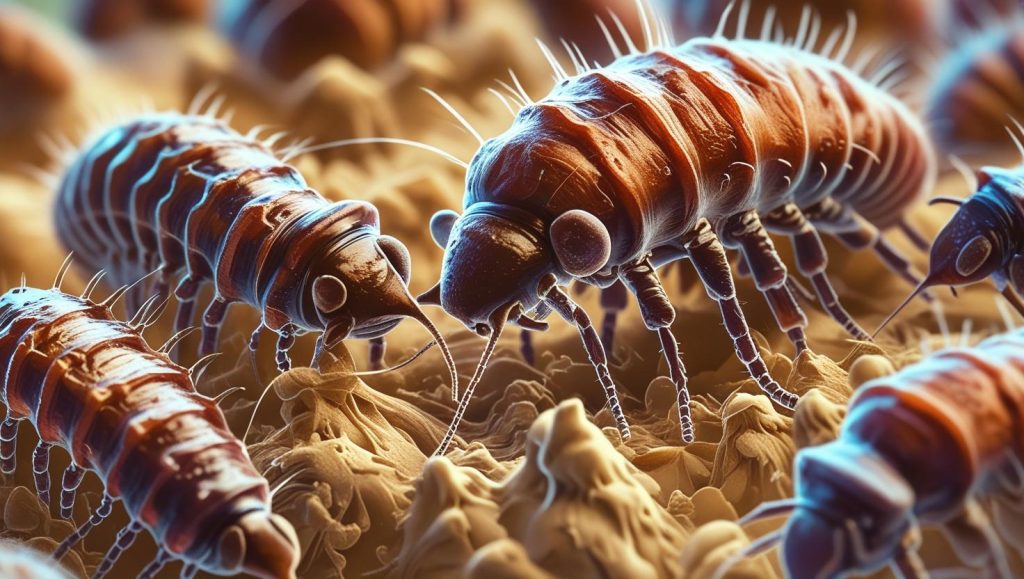
A groundbreaking study shows that tobacco cutworms can convert carbon nanorings into oxygen-doped nanomaterials—introducing a new frontier in green chemistry and biocatalytic material design.
A 2025 study reveals that exposure to polystyrene nanoparticles may impair DNA repair in human intestinal cells, potentially triggering long-term health risks like cancer and aging. Learn how nanoplastics disrupt cellular defense systems.
Pisces, a new AI-powered model, achieves state-of-the-art results in predicting synergistic cancer drug combinations using multi-modal data augmentation. It revolutionizes drug synergy predictions and identifies survival-linked cancer pathways.