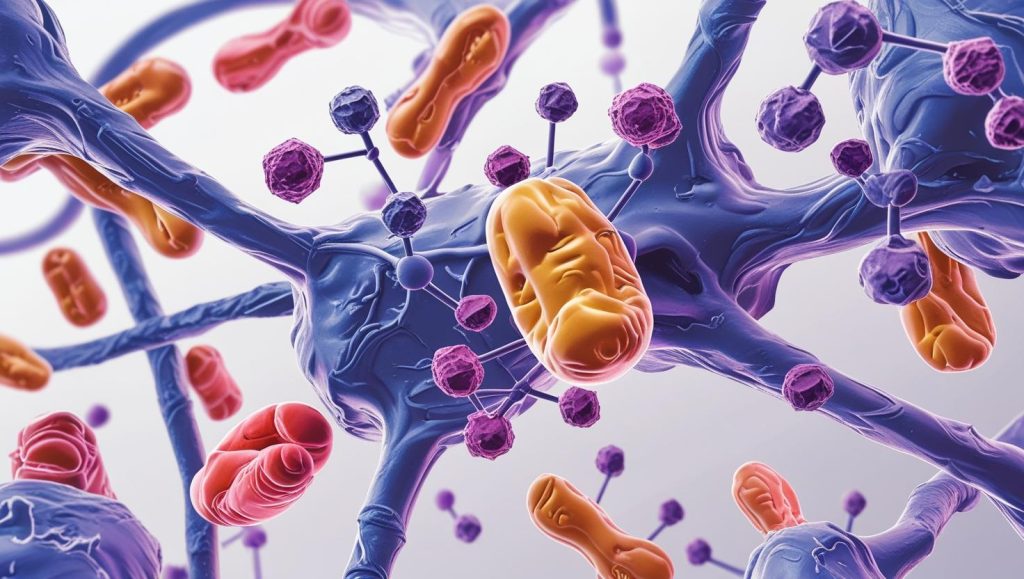

In a stunning example of nature and chemistry converging, researchers at the University of Edinburgh have demonstrated how engineered bacteria can transform plastic waste into paracetamol through a synthetic reaction never before seen in living organisms.
Published in Nature Chemistry, the study showcases a biocompatible version of the Lossen rearrangement—a classic reaction from synthetic organic chemistry—carried out inside living Escherichia coli cells. This innovation could revolutionize how we convert non-biodegradable waste into high-value pharmaceuticals and chemicals.
What Is the Lossen Rearrangement — and Why Does It Matter?
The Lossen rearrangement is a well-known chemical reaction that converts carboxylic acid derivatives into primary amines—compounds found in everything from drug molecules to agricultural chemicals. However, until now, it has never been performed in a biocompatible, non-enzymatic fashion inside living cells.
By carefully engineering E. coli, researchers enabled this abiotic reaction to occur safely and efficiently under ambient conditions using phosphate ions as catalysts, without harming the host cells.
From Plastic Bottles to Pain Relief
The team’s real innovation lies in combining this chemistry with plastic waste recycling. Using terephthalic acid—a monomer derived from the breakdown of polyethylene terephthalate (PET) bottles—they created a precursor that E. coli could convert into para-aminobenzoic acid (PABA), an essential nutrient for bacterial growth and a precursor to the drug paracetamol.
“We’ve essentially trained E. coli to digest plastic molecules and convert them into an everyday medicine,” said Dr. Stephen Wallace, senior author of the study.
The engineered bacteria performed multi-step transformations, first converting PET-derived substrates into PABA via the Lossen rearrangement, then into paracetamol using two additional enzymes borrowed from fungi and other bacteria.
Key Breakthroughs
- Biocompatible chemistry inside cells: The reaction proceeds in living E. coli without harming growth or function.
- Plastic waste upcycling: PET-derived substrates serve as starting materials, offering a sustainable route to valorize waste.
- Phosphate catalysis: Simple phosphate ions found in growth media catalyze the transformation—no expensive or toxic catalysts required.
- One-pot biosynthesis of paracetamol: The bacteria carry out a cascade of chemical and enzymatic steps, leading to yields of up to 92% from plastic substrates.
Implications: A Greener, Smarter Chemical Industry
This study is more than an academic curiosity—it represents a new era in green manufacturing. Traditional paracetamol production relies on petroleum-derived phenol and harsh nitration chemistry. This new method offers a low-energy, sustainable alternative with a far smaller environmental footprint.
It also opens the door for:
- Bio-upcycling of other plastics
- Expanding microbial metabolism with non-natural chemical tools
- One-pot fermentation of complex drugs and chemicals
What’s Next?
The team plans to:
- Scale the process in bioreactors for industrial testing
- Explore other Lossen-compatible feedstocks for chemical synthesis
- Optimize the integration of synthetic and biological pathways using synthetic biology
TL;DR:
Scientists have engineered E. coli to carry out a synthetic chemical reaction—the Lossen rearrangement—inside living cells, enabling them to convert plastic bottle waste into the common painkiller paracetamol. A huge step forward in green chemistry and microbial biomanufacturing.
Reference:
Johnson, N. W., Valenzuela-Ortega, M., Thorpe, T. W., Era, Y., Kjeldsen, A., Mulholland, K., & Wallace, S. (2025). A biocompatible Lossen rearrangement in Escherichia coli. Nature Chemistry, 1-7. https://doi.org/10.1038/s41557-025-01845-5


Related posts:
 New Class of Antibiotics with a Novel Mode of Inhibition against World Health Organization’s Critical Listed Bacteria, Carbapenem-Resistant Acinetobacter baumannii
 Bringing Back the Mammoth: Scientists Engineer Mice with Woolly Mammoth Hair Traits
 The Future of Meat Might Be Mold: Scientists Reprogram Edible Fungi to Taste Like Steak
 Plant Virus Turned Cancer Vaccine Could Revolutionize Ovarian Cancer Treatment
 Genetic Breakthrough: CRISPR-Cas9 Corrects Down Syndrome Cells with Precision DNA Cuts


