A recent study has unveiled an exciting breakthrough—bacterial cellulose (BC), a natural polymer produced by bacteria, can stimulate plant tissue regeneration in non-meristematic cells through a unique mechanism.
The transfer and distribution of genetic material is an extremely precise process, making sure that genetic information is not altered while passing on from one generation to the next. Even…
Certain genes located near one another in the same chromosome show linkage. These linked genes may either remain together in the process of inheritance resulting in complete linkage or drift…
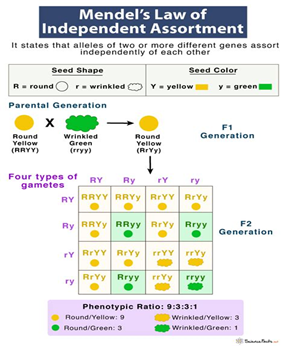
Genes that are responsible for different characters may either be situated in the same chromosome or in a different one. When the genes are situated in different chromosomes, they assort…
Gregor Johann Mendel conducted a series of experiments on hybridization of peas. From these studies, he proposed two universally accepted laws of inheritance; the law of segregation, and the law…
Chromosomes are essential nuclear component that plays an important role in the transmission of hereditary information. Prokaryotic chromosomes are circular and have either DNA or RNA as principal chemical component.…
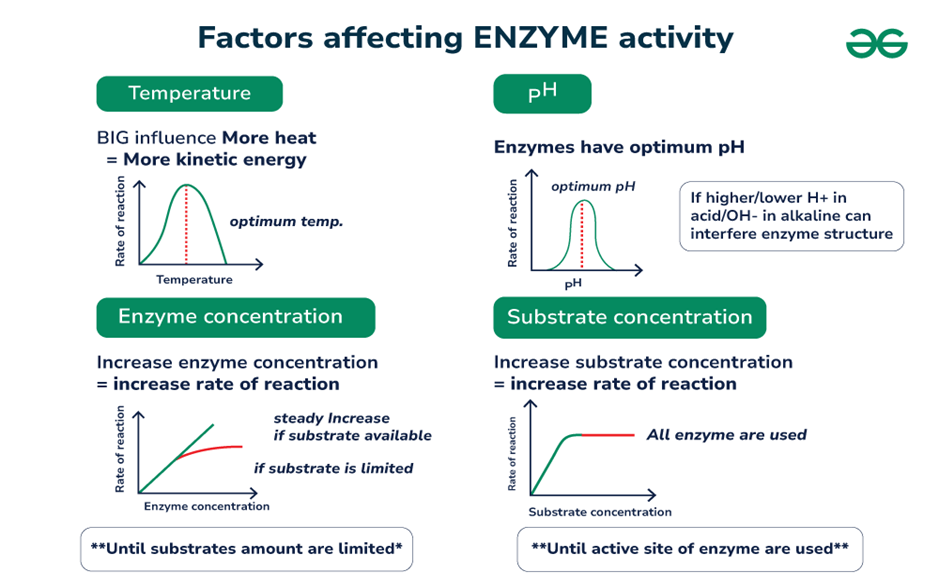
Enzymes are special biomolecules that catalyse biochemical reactions. Almost all enzymes are proteins i.e. chains of amino acids linked together. Enzymes catalyse chemical reactions by lowering the activation energy of…
The Krebs cycle also known as the Citric acid cycle or Tricarboxylic acid cycle – TCA cycle is one of the most important metabolic pathways for the production of energy…
Given below are the differences between prokaryotes and eukaryotes: FeatureProkaryotesEukaryotes1. SizeTypically smaller (1–10 µm).Larger (10–100 µm or more).2. NucleusNo true nucleus; DNA resides in a nucleoid.True nucleus with a nuclear…