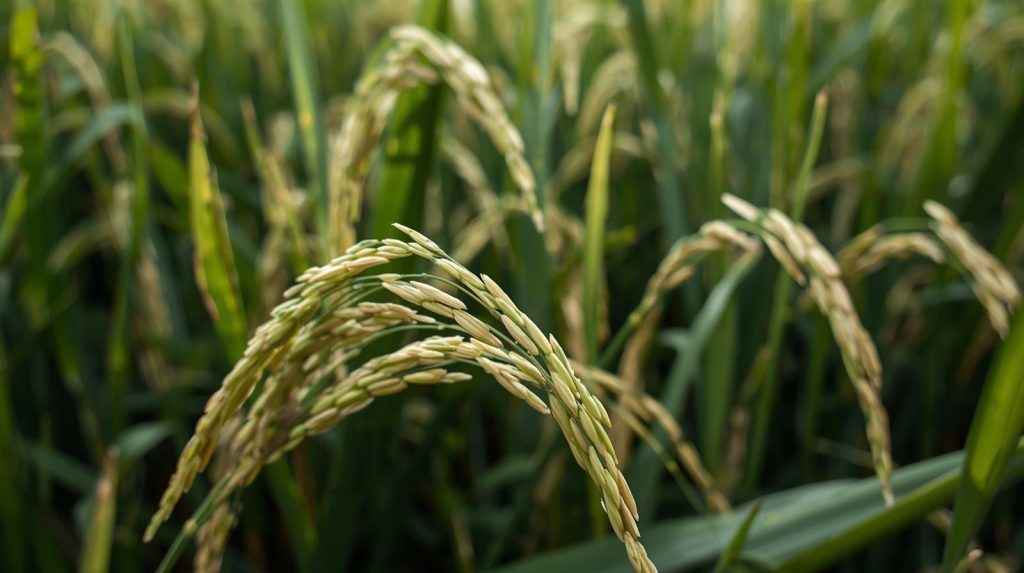

Rice (Oryza sativa L.) is a staple food for more than half of the world’s population, particularly in Asia. Yet, beneath its role as a vital dietary source lies a growing concern—cadmium contamination. Cadmium (Cd), a toxic heavy metal, is increasingly being detected in rice grains due to industrial pollution, contaminated irrigation water, and intensive agricultural practices. This contamination poses severe health risks to millions of people who rely on rice as a daily staple.
What is Cadmium and Why is it Dangerous?
Cadmium is a naturally occurring heavy metal, but human activities such as mining, smelting, use of phosphate fertilizers, and industrial waste discharge have significantly increased its presence in agricultural soils. Unlike some metals, cadmium has no biological role in plants or humans. Instead, it accumulates in rice grains and, when ingested, can lead to:
- Kidney dysfunction
- Bone demineralization (Itai-Itai disease)
- Cardiovascular problems
- Cancer risks
Because rice is consumed in large quantities in Asia, even small levels of cadmium accumulation can become a chronic health hazard.
How Cadmium Enters Rice
Rice plants are particularly efficient at absorbing cadmium from soil and water. Factors influencing uptake include:
- Soil pH – Acidic soils enhance cadmium solubility.
- Irrigation practices – Use of contaminated water exacerbates accumulation.
- Varietal differences – Some rice genotypes are more prone to cadmium uptake.
- Fertilizer use – Excessive use of phosphate fertilizers increases cadmium mobility.
Impact Across Asia
Countries such as China, Japan, India, and Bangladesh have reported alarming levels of cadmium in rice grains. For instance, the infamous Itai-Itai disease outbreak in Japan during the mid-20th century was directly linked to cadmium-contaminated rice. Today, despite regulations, sporadic cases of unsafe cadmium levels in rice continue to emerge across Asia.
Sustainable Solutions
To safeguard food security and health, researchers and policymakers are focusing on several strategies:
- Soil Remediation – Techniques such as liming, biochar addition, and organic amendments reduce cadmium bioavailability.
- Phytoremediation – Use of hyperaccumulator plants to clean contaminated soils.
- Breeding Low-Cadmium Rice Varieties – Genetic and molecular approaches to develop rice strains with reduced cadmium uptake.
- Improved Water Management – Controlled irrigation and use of clean water sources minimize cadmium accumulation.
- Policy and Regulation – Strong monitoring and regulatory frameworks are essential to reduce industrial discharge and ensure safe rice production.
Conclusion
Cadmium contamination in Asian rice is more than just an environmental issue—it is a pressing public health and food security challenge. By combining scientific innovation, sustainable agricultural practices, and strong policy measures, we can reduce the risks of heavy metal contamination and ensure safe, nutritious rice for billions of people worldwide.
Reference
Wang, J., Wu, B., Zhou, L., Liu, K., You, A., & Zha, W. (2025). Cadmium Contamination in Asian Rice (Oryza sativa L.): Mechanistic Insights from Soil Sources to Grain Accumulation and Mitigation Strategies. Plants, 14(18), 2844. https://doi.org/10.3390/plants14182844


Related posts:
 Bats as Natural Pest Controllers: How Chinese Smallholder Farms Benefit from Ecological Pest Management
 Bacillus velezensis ATC-AL Emerges as a Natural Shield Against Black Rot in Sweetpotatoes
 Bioponics Boosts Tomato Farming with Circular Aquaponics and Insect-Based Systems
 Planting Nitrogen-Fixing Species Can Boost Soil Carbon and Fight Climate Change
 Brewer’s Yeast Residue: A Sustainable Biofertilizer for Horticultural Seedlings


