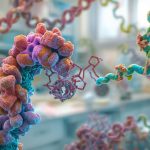
Ganoderma multipileum, a medicinal mushroom known for its bioactive triterpenoids, plays a significant role in pharmaceuticals, nutraceuticals, and functional foods. However, the low natural yield of triterpenoids has limited its large-scale application. Recent research now shows a groundbreaking approach—using caffeine as a P450 inducer and limonene as a precursor—to supercharge triterpenoid production in submerged cultures.
How Caffeine and Limonene Work Together
- Caffeine acts as a cytochrome P450 inducer, enhancing the enzyme activity responsible for triterpenoid biosynthesis.
- Limonene, a plant-derived compound, serves as a metabolic precursor, feeding the biosynthetic pathway and boosting production levels.
When combined, these agents synergistically upregulate triterpenoid biosynthesis genes and accelerate metabolic flux, resulting in a significant increase in triterpenoid yields compared to control groups.
Key Findings
- Caffeine treatment increased P450 enzyme activity and triterpenoid levels.
- Limonene supplementation boosted precursor availability for triterpenoid biosynthesis.
- The combined treatment delivered the highest triterpenoid yield reported so far in Ganoderma multipileum submerged cultures.
Potential Applications
- Pharmaceuticals: Enhanced yields can lower production costs for anti-inflammatory and anticancer compounds.
- Nutraceuticals: Development of triterpenoid-rich functional foods and supplements.
- Industrial Biotechnology: Scaling up production through bioreactor optimization for commercial purposes.
Conclusion
This innovative approach using caffeine and limonene provides a sustainable and efficient method for boosting triterpenoid production in medicinal mushrooms, paving the way for cost-effective drug discovery and nutraceutical development.
Reference
Mayan, T.-W., & Chang, Y.-H. (2025). Enhancing triterpenoids production in Ganoderma multipileum submerged cultures using caffeine as a P450 inducer and limonene as a precursor. World Journal of Microbiology and Biotechnology, 41(10), 333. https://doi.org/10.1007/s11274-025-04556-8


Related posts:
 Boosting Sunflower Growth in Saline Soils: The Role of Phosphate-Solubilizing Bacteria and Phosphorus-Enriched Biochar
 Ganoderma lucidum: A Natural Antivenom Against Deadly Snake Venom
 Biochar-Enhanced Soil Treatment Cuts Antibiotic Resistance Genes by Over 59%
 Planting Nitrogen-Fixing Species Can Boost Soil Carbon and Fight Climate Change
 Brewer’s Yeast Residue: A Sustainable Biofertilizer for Horticultural Seedlings