Microbe-plant synergistic interactions: Mechanism of VOCs promotion on salt tolerance in pepper seedlings and the feedback of root exudates on Enterobacter hormaechei WU-15.

How Bacterial VOCs Boost Salt Tolerance in Pepper Plants Through Two-Way Chemical Signaling

A new study uncovers how volatile organic compounds (VOCs) from Enterobacter hormaechei WU-15 enhance salt tolerance in pepper seedlings while pepper root exudates simultaneously stimulate bacterial growth and metabolism. The research reveals a two-way chemical signaling system shaping plant–microbe resilience under salt stress.
Isolation and Characterization of Biosurfactant-Producing Enterobacter hormaechei subsp. hoffmannii MK-DU2 with Potential Application in Bioremediation of Crude Oil Contamination.

New Soil Bacterium Shows 99% Crude Oil Cleanup Efficiency Using Natural Biosurfactants

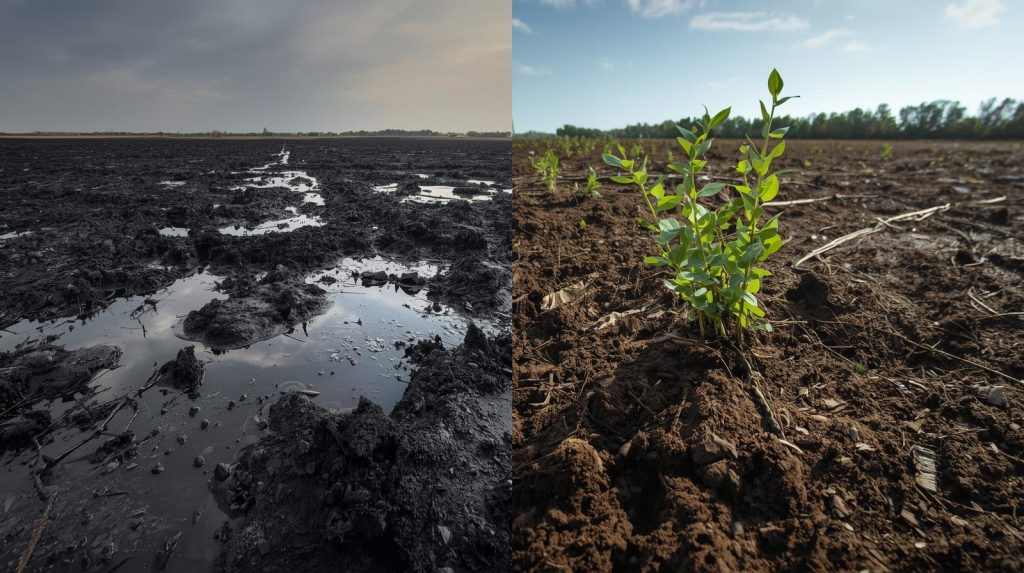
Researchers at Damghan University have discovered a new soil bacterium, Enterobacter hormaechei MK-DU2, that produces eco-friendly biosurfactants capable of degrading over 99% of crude oil in just six days—offering a sustainable alternative to chemical surfactants for oil spill cleanup and industrial applications.