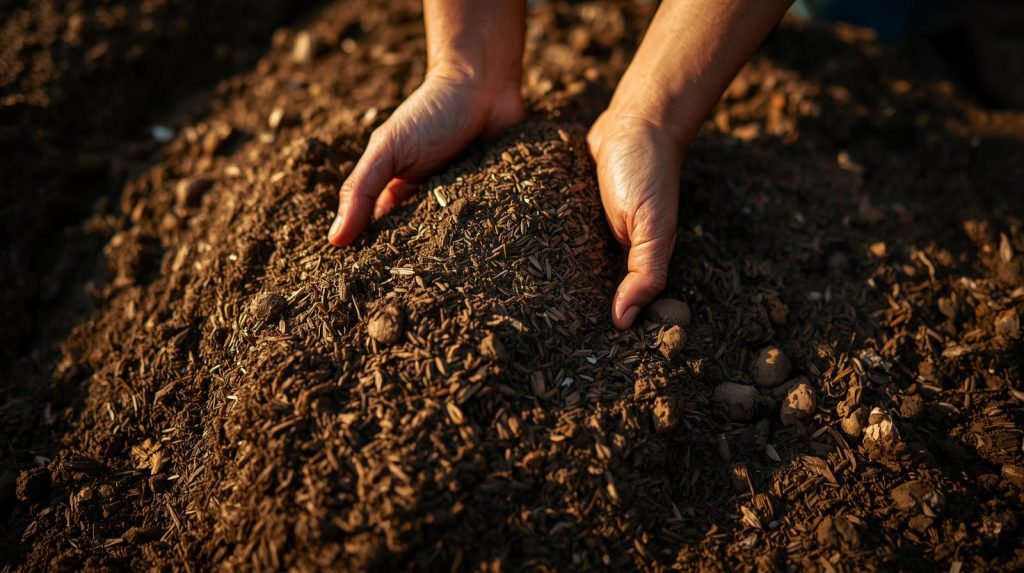

Rice Residues: From Agricultural Waste to Natural Fertilizer
Rice is a staple food for over half the world’s population, but its production generates millions of tons of residues annually. Farmers often burn these residues, contributing to air pollution and greenhouse gas emissions.
This study explores how incorporating rice crop residues back into the soil can act as a natural fertilizer substitute, reducing dependence on synthetic fertilizers while improving soil fertility and crop productivity.
Key Findings from the Study
1. Enhanced Crop Yields
- Residue incorporation significantly increased grain yield and biomass compared to conventional practices.
- Nutrient release from decomposed residues boosted nitrogen, phosphorus, and potassium availability in soils.
2. Improved Soil Fertility
- Residue-treated soils showed higher organic carbon levels and better microbial activity, essential for nutrient cycling.
- Soil pH and moisture retention also improved, creating favorable conditions for plant growth.
3. Reduced Chemical Fertilizer Dependency
- Farmers could cut down synthetic fertilizer use by 25–50% without sacrificing yield, lowering input costs and environmental risks.
4. Climate and Environmental Benefits
- Incorporating residues into soil instead of burning prevents CO2, CH4, and N2O emissions, supporting climate-smart agriculture practices.
Why It Matters for Sustainable Farming
- Soil Restoration: Builds long-term soil fertility and structure.
- Economic Savings: Reduces input costs for smallholder farmers.
- Environmental Protection: Prevents stubble burning and air quality deterioration.
- Food Security: Ensures stable yields with lower external inputs.
Conclusion: A Win-Win for Farmers and the Environment
This research confirms that rice crop residues are not agricultural waste but valuable nutrient resources. Their integration into farming systems offers higher yields, healthier soils, and lower environmental footprints, paving the way for sustainable and climate-resilient agriculture.
Reference
Rajendran, G., Shanmugam, V., Lakshminarayanan, A., Aabid Hussain, L., Joseph, B., Kumar, V., Pant, A. K., S, A., MBB, P. B., Rapolu, M. K., & Raman Meenakshi, S. (2025). Rice crop residue as fertiliser substitute for enhancing yield and soil health: Identifying the optimum level from multilocation trials in India. Frontiers in Soil Science, Volume 5-2025. https://www.frontiersin.org/journals/soil-science/articles/10.3389/fsoil.2025.1649105


Related posts:
 Brewer’s Yeast Residue: A Sustainable Biofertilizer for Horticultural Seedlings
 Sustainable Growing Media Boosts Glasshouse Strawberry Production and Soil Health
 Seaweed Extract Boosts Onion Growth and Bulb Quality: A Sustainable Alternative to Chemical Fertilizers
 Planting Nitrogen-Fixing Species Can Boost Soil Carbon and Fight Climate Change
 Azospirillum brasilense Boosts Survival, Growth, and Nutrient Uptake in Micropropagated Sugarcane


