
Introduction
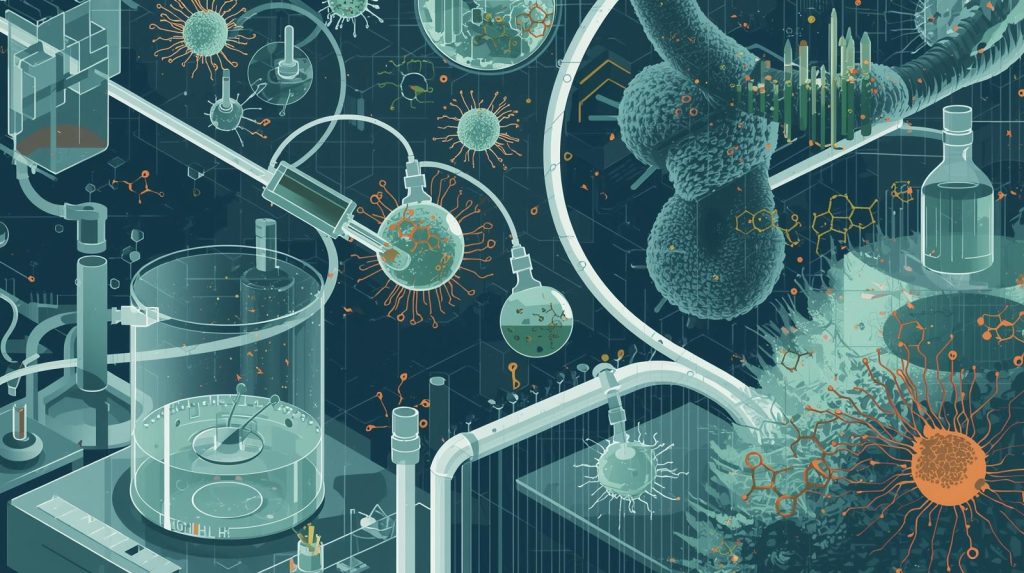
As antibiotic resistance reaches crisis levels worldwide, scientists are racing to find new ways to fight deadly infections. One promising solution lies deep within the hot springs of remote regions, where thermophilic bacteria thrive in extreme heat and produce unique compounds with powerful antimicrobial properties.
A new study has successfully isolated, purified, and identified antimicrobial peptides (AMPs) from these heat-loving microbes, opening doors to next-generation antibiotics.
The Hidden Potential of Hot Springs Microbes
Thermophilic bacteria have adapted to high temperatures and harsh environments, evolving biochemical tools to survive microbial competition. These tools include antimicrobial peptides, small molecules capable of killing or inhibiting pathogens by:
- Disrupting microbial cell membranes
- Inhibiting protein and nucleic acid synthesis
- Targeting antibiotic-resistant strains
The study focused on isolating these peptides from bacterial strains collected from natural hot springs and characterizing their antimicrobial spectrum.
Key Findings
- Peptide Purification:
- Advanced chromatography techniques separated and purified the bioactive peptides.
- Broad-Spectrum Antimicrobial Activity:
- The peptides inhibited both Gram-positive and Gram-negative bacteria, including drug-resistant strains like Staphylococcus aureus and Escherichia coli.
- Thermostability:
- Unlike conventional antibiotics, these peptides remained stable and active at high temperatures, a crucial advantage for pharmaceutical applications.
- Molecular Identification:
- Mass spectrometry revealed novel peptide sequences with potential for synthetic drug development.
Why This Research Matters
- Global Health Impact: Drug-resistant infections cause over 1 million deaths annually; new antimicrobials are urgently needed.
- Eco-friendly Drug Discovery: Natural sources like hot springs offer sustainable bio-prospecting avenues.
- Pharmaceutical Potential: These peptides can inspire new drug classes with unique mechanisms of action.
Future Applications
- Novel Antibiotic Therapies: AMPs could treat multidrug-resistant bacterial infections.
- Food Preservation: Natural antimicrobial agents for preventing food spoilage.
- Biomedical Devices: Coating materials with AMPs to prevent hospital-acquired infections.
Conclusion
The discovery of antimicrobial peptides from thermophilic bacteria underscores the untapped potential of extreme environments in the search for new medicines. As antibiotic resistance continues to rise, nature’s hidden microbes may hold the key to our post-antibiotic future.
Reference
Abdulsalam, L., Ganiyu, S. A., & Khalil, A. B. (2025). Purification and Identification of Antimicrobial Peptides Produced by Thermophilic Bacteria Isolated from Hot Springs. Probiotics and Antimicrobial Proteins. https://doi.org/10.1007/s12602-025-10772-3


Related posts:
 Bacteriocins vs. Biofilms: A Low-Cost Breakthrough in the Fight Against Antibiotic Resistance
 Biochar Boosts Soil Microbial Diversity and Nutrient Cycling Across Tobacco Growth Stages
 Boosting Sunflower Growth in Saline Soils: The Role of Phosphate-Solubilizing Bacteria and Phosphorus-Enriched Biochar
 Botanical Solutions for Honeybee Pest Management: A Sustainable Alternative to Conventional Pesticides
 Fermented Food-Derived Lactic Acid Bacteria Reduce Virulence of Enterococcus faecalis: A Natural Antimicrobial Strategy


