
Introduction
Snakebite envenoming, a neglected tropical disease, continues to claim thousands of lives annually, especially in sub-Saharan Africa. The West African Carpet Viper (Echis ocellatus) is notorious for its venom’s deadly effects, causing haemorrhage, coagulopathy, and tissue necrosis. Conventional antivenoms, though effective, face limitations like high cost, cold-chain requirements, and potential allergic reactions—prompting the search for safer, affordable alternatives.
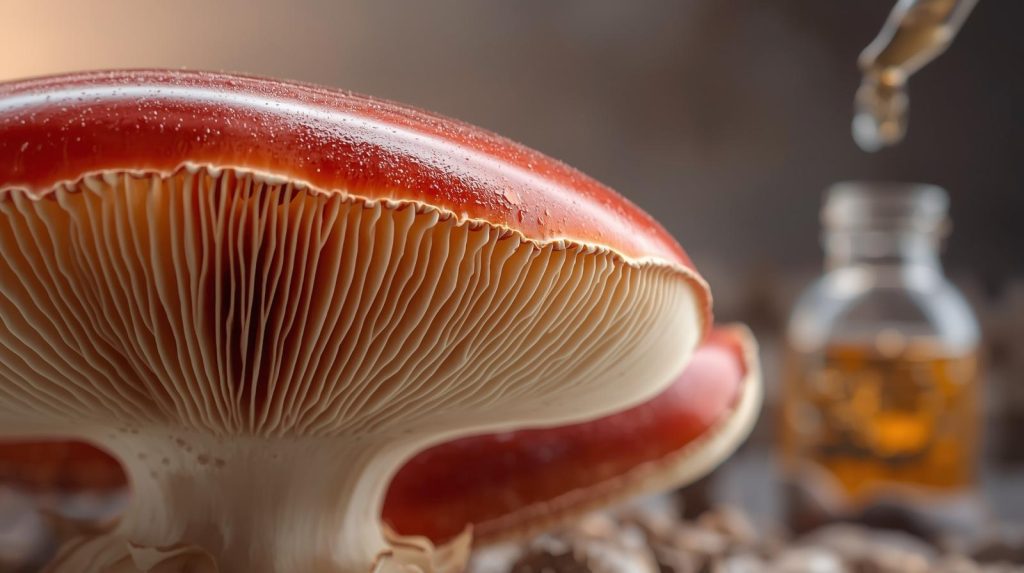
A recent study explores the potential of Ganoderma lucidum, a medicinal mushroom famed for its pharmacological properties, as a natural inhibitor of venom-induced toxicity.
Key Findings of the Study
- Venom Inhibition Potential
- G. lucidum methanolic extract inhibited 62.96% and 59.25% of venom-induced haemorrhage at doses of 20 mg and 40 mg, respectively.
- Plasma clotting times were significantly shortened, countering venom-induced anticoagulation.
- Bioactive Compounds Identified
- GC-MS analysis revealed 29 bioactive compounds, including hesperidin, which showed the strongest binding to venom toxins echicetin and phospholipase A2 (PLA2) in molecular docking studies.
- These interactions suggest potent anti-haemorrhagic and pro-coagulant effects.
- Mechanism of Action
- Hesperidin and other compounds inhibit venom proteins by binding to their active sites, preventing haemorrhage and restoring normal blood clotting pathways.
- Safety and Pharmacological Promise
- ADMET analysis revealed hesperidin as a safe candidate with no neurotoxic or haemotoxic properties.
Why It Matters
This study pioneers the use of medicinal mushrooms as a source of antivenom therapy, opening avenues for affordable, stable, and plant-derived alternatives to conventional antivenoms—especially vital for rural communities facing high snakebite incidences.
Future Directions
Further research is needed to:
- Optimize dosage and formulation.
- Conduct clinical trials for human applications.
- Explore synergistic effects with conventional antivenoms.
Conclusion
Ganoderma lucidum presents an exciting frontier in natural antivenom research. Its bioactive compounds, especially hesperidin, offer a promising, eco-friendly solution for snakebite management—potentially transforming public health responses in venom-prone regions.
Reference
Oyedara, O. O., Ajisebiola, B. S., Abioye, O. E., Fadare, O. A., Olatunji, O. A., Adeyemi, F. M., Enahoro, M. N., Popoola, S. F., Oluyide, O. O., & Adeyemi, Z. A. (2025). Evaluation of the pharmacological potential of Ganoderma lucidum against haemorrhagic and anticoagulant activities of Echis ocellatus venom. BMC Biotechnology, 25(1), 105. https://doi.org/10.1186/s12896-025-01044-7


Related posts:
 Boosting Sunflower Growth in Saline Soils: The Role of Phosphate-Solubilizing Bacteria and Phosphorus-Enriched Biochar
 Fermented Food-Derived Lactic Acid Bacteria Reduce Virulence of Enterococcus faecalis: A Natural Antimicrobial Strategy
 Scientists Develop First Dual Microbial Consortium to Enhance Iron and Zinc Uptake in Wheat
 New Probiotic Strain Bacillus subtilis LN077 Boosts Goat Growth, Immunity, and Rumen Health
 Sargassum Seaweed Boosts Rohu Fish Growth and Fungal Disease Resistance


