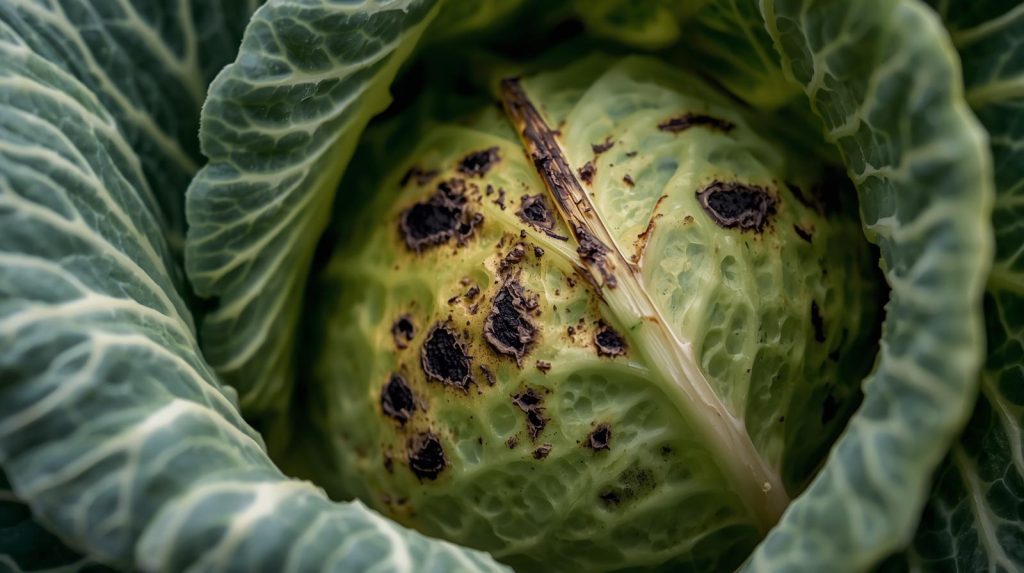

Introduction
Modern agriculture faces twin challenges: ensuring high crop yields while minimizing environmental damage from the use of chemical fertilizers and pesticides. Enter Bacillus velezensis, a beneficial soil bacterium that is gaining attention for its dual role in promoting plant growth and controlling biological pests.
This powerful microbe is emerging as a sustainable alternative to synthetic chemicals, aligning with global efforts to promote eco-friendly farming practices.
Why Bacillus velezensis is a Game-Changer
- Natural Growth Stimulant
Bacillus velezensis produces plant growth-promoting substances like indole-3-acetic acid (IAA) and gibberellins, which enhance root development, nutrient uptake, and overall plant vigor. - Biological Pest Control
The bacterium secretes lipopeptides such as surfactin and fengycin, which possess antifungal and antibacterial properties, protecting crops from soil-borne pathogens. - Improved Soil Health
By facilitating phosphate solubilization and nitrogen fixation, it improves soil fertility and promotes long-term agricultural sustainability. - Abiotic Stress Tolerance
Studies highlight its role in helping plants withstand drought, salinity, and heavy metal toxicity, boosting climate resilience.
Key Applications in Agriculture
- Seed Treatment: Enhances germination rates and seedling vigor.
- Soil Amendment: Improves soil microbiome health and fertility.
- Biocontrol Agent: Reduces dependence on chemical pesticides.
- Integrated Pest Management (IPM): Works synergistically with other sustainable farming methods.
Future Perspectives
With growing interest in microbial biofertilizers and biopesticides, Bacillus velezensis is poised to become a cornerstone of climate-smart agriculture. Researchers are now exploring its genomic potential to develop next-generation bioinoculants tailored for specific crops and ecosystems.
Conclusion
By combining plant growth promotion with natural pest defense, Bacillus velezensis represents a sustainable solution for global food security. Its eco-friendly nature and multiple benefits make it a valuable tool for farmers embracing organic and regenerative agriculture practices.
Reference
Stanojević, N., Živanović, B., Milić Komić, S., Marković, S., Popović Milovanović, T., Mitrović, P., Sofrenić, I., Mutavdžić, D., Milinčić, D., Pešić, M., & Jelušić, A. (2025). Bacillus velezensis: a natural shield against black rot disease on Serbian autochthonous cabbage cv. Futoški. Chemical and Biological Technologies in Agriculture, 12(1), 133. https://doi.org/10.1186/s40538-025-00851-6


Related posts:
 Bacillus velezensis ATC-AL Emerges as a Natural Shield Against Black Rot in Sweetpotatoes
 Scientists Develop First Dual Microbial Consortium to Enhance Iron and Zinc Uptake in Wheat
 Beneficial Bacillus Bacteria Boost Cotton Growth and Sustainability in Brazil
 Bacillus velezensis SYL-3 Shows Multifactorial Power in Controlling Fusarium Root Rot and Enhancing Soil Health
 Friendly Soil Bacterium Bacillus velezensis JS6-1 Protects Muskmelons from Devastating Postharvest Rot


