

In the domain of vaccine development, the combination of artificial intelligence (AI) with cutting-edge biological technology marks the beginning of a new era of innovation.
Step 1: Antigen Prediction Precision using AI
At vaccine development, AI can access tools like BLASTp and HMMER, which scan pathogen genomes to pinpoint probable antigens. An illustrative case is identifying the spike protein in the SARS-CoV-2 virus utilizing tools like GISAID’s genomic data repository and Nextstrain’s real-time tracking platform. 1
AI Algorithm: Utilize Blastp and HMMER → Analyze GISAID and Nextstrain data for antigen options
Step 2: The In Silico Vaccine Design
AI readily shifts to in silico vaccine design, utilizing molecular dynamics simulation tools such as Rosetta and GROMACS.2,3 AI uses Rosetta to recreate the interactions between the virus’s capsid protein and human receptors to produce the human papillomavirus (HPV) vaccine.

AI Simulation: Using Rosetta and GROMACS → Modeling HPV capsid protein interactions.
Step 3: AI-Enhanced Clinical Trials
AI and tools like IBM Watson are used to optimize clinical trials. AI predictions improve trial methods through the processing of massive datasets. Moderna’s mRNA COVID-19 vaccine benefited from IBM Watson’s analytical skills, improving trial participant selection.4
AI Analysis: Utilize IBM Watson → Predict responses and optimize trial conditions
Step 4: Manufacturing and Distribution Refined
AI transforms manufacturing with solutions like Optimeos, which enhance vaccine production processes.5 Concurrently, AI-driven analytics tools like Tableau are improving supply chain logistics. GlaxoSmithKline (GSK) recruited Optimeos to optimize their vaccine production, while Tableau aided in effective distribution.
AI Optimization: Use of Optimeos → Optimize Distribution via Tableau Analytics
Step 5: Real-time Surveillance and Adaptation
Surveillance is crucial, helped by tools such as Nextstrain. This tool continuously monitors genomic differences, aiding in the discovery of new disease strains.6 Nextstrain forecasts dominant flu strains during the flu season, prompting vaccination updates.
AI Surveillance: Leverage Nextstrain → Track genomic changes and anticipate new variations
References:
1. Tan M, Xia J, Luo H, Meng G, Zhu Z. Applying the digital data and the bioinformatics tools in SARS-CoV-2 research. Comput Struct Biotechnol J. 2023;21:4697-4705. doi:10.1016/j.csbj.2023.09.044
2. Schoeder CT, Schmitz S, Adolf-Bryfogle J, et al. Modeling Immunity with Rosetta: Methods for Antibody and Antigen Design. Biochemistry. 2021;60(11):825-846. doi:10.1021/acs.biochem.0c00912
3. Vieira IHP, Botelho EB, de Souza Gomes TJ, Kist R, Caceres RA, Zanchi FB. Visual dynamics: a WEB application for molecular dynamics simulation using GROMACS. BMC Bioinformatics. 2023;24(1):107. doi:10.1186/s12859-023-05234-y
4. Moderna and IBM to Explore Quantum Computing and Generative AI for mRNA Science. IBM Newsroom. https://newsroom.ibm.com/2023-04-20-Moderna-and-IBM-to-Explore-Quantum-Computing-and-Generative-AI-for-mRNA-Science. Accessed February 18, 2024.
5. Priyan V. Integral Molecular and Optimeos partner to develop gene therapies. Pharm Technol. June 2022. https://www.pharmaceutical-technology.com/news/integral-molecular-optimeos-gene-therapies/. Accessed February 18, 2024.
6. Hadfield J, Megill C, Bell SM, et al. Nextstrain: real-time tracking of pathogen evolution. Bioinformatics. 2018;34(23):4121-4123. doi:10.1093/bioinformatics/bty407


Related posts:
 Smart Biosensors: Dual ACE2 Epitope Receptors Offer Rapid Detection of SARS-CoV Variants
 Phage-Protein Fusion Boosts Immune Defense Against Yersinia enterocolitica Infections
 New Class of Antibiotics with a Novel Mode of Inhibition against World Health Organization’s Critical Listed Bacteria, Carbapenem-Resistant Acinetobacter baumannii
 Natural Healers: Animals That Cure Themselves with Natural Solutions
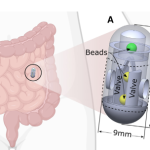 Whats in your Gut? One ingestible pill coming up for understanding the microbiota inside small intestine


