
Introduction
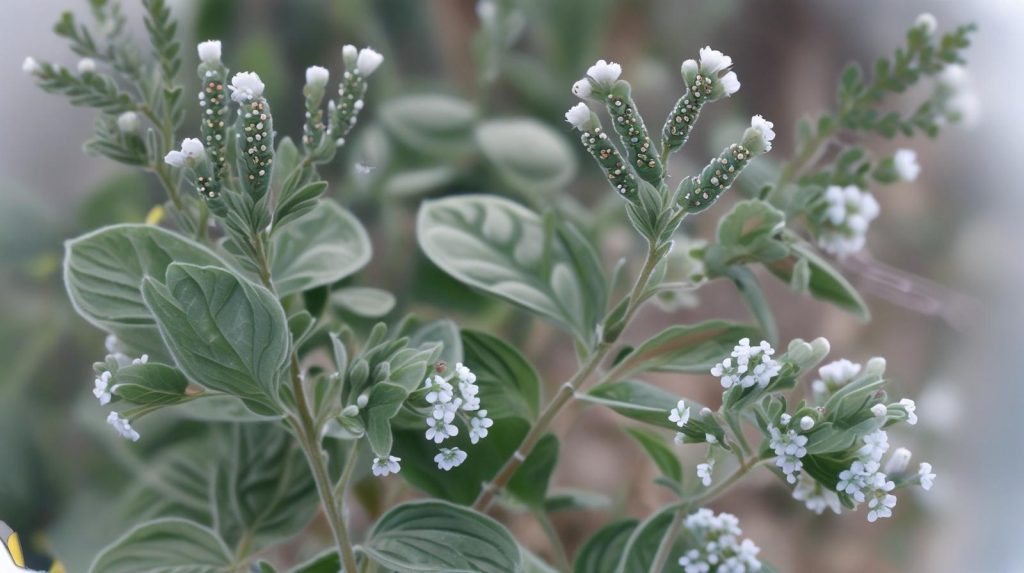
The quest for plant-based bioactive compounds with therapeutic potential has gained momentum as researchers look toward natural alternatives for managing chronic diseases. One such promising candidate is the protein derived from Heliotropium lasiocarpum, a perennial medicinal herb native to Uzbekistan. Known for its rich phytochemical profile, this plant is now in the spotlight for its potential anti-diabetic and cholesterol-lowering properties.
Key Findings from the Study
1. Protein Composition and Structure
The research revealed that Heliotropium lasiocarpum contains proteins rich in essential amino acids like phenylalanine, isoleucine, and cysteine. These amino acids are not only vital for metabolic health but also contribute to energy regulation and glucose metabolism.
2. Hypoglycemic Effects
Animal studies demonstrated that protein extracts from H. lasiocarpum significantly reduced blood glucose levels by up to 45.1%, comparable to standard anti-diabetic drugs like metformin.
This finding suggests the potential for developing plant-based supplements for blood sugar management.
3. Cholesterol-Lowering Properties
The protein also reduced serum cholesterol levels by up to 48.6%, indicating its role in cardiovascular health management. Though slightly less effective than conventional drugs like rosuvastatin, the plant-derived protein exhibited a strong hypolipidemic effect.
Why This Matters
Chronic conditions such as diabetes and hyperlipidemia are global health challenges. The discovery of bioactive plant proteins that can naturally regulate glucose and cholesterol levels opens the door to safe, cost-effective, and sustainable therapies.
Conclusion
The protein from Heliotropium lasiocarpum shows immense promise as a natural agent for managing metabolic disorders. Future studies focusing on mechanistic pathways, dosage optimization, and clinical trials could pave the way for its use in nutraceuticals and functional foods.
Reference
Rakhimova, Sh. Kh., Mezhlumyan, L. G., Azamatov, A. A., Omonova, S. S., Nabiyeva, F. S., Aripova, S. F., & Sagdullaev, Sh. Sh. (2025). Protein from Heliotropium lasiocarpum and its Biological Activity. Chemistry of Natural Compounds. https://doi.org/10.1007/s10600-025-04825-w


Related posts:
 Mentha Essential Oils Show Strong Bioactivity Against Diamondback Moth Pest
 How Plant Extracts Shape Seed Germination and Growth in the Qinghai-Tibetan Plateau
 Sustainable Growing Media Boosts Glasshouse Strawberry Production and Soil Health
 Boosting Sunflower Growth in Saline Soils: The Role of Phosphate-Solubilizing Bacteria and Phosphorus-Enriched Biochar
 UV Light Boosts Anthocyanin Production and Peel Color in Blood Oranges


