
Introduction
As the global population soars and sustainable nutrition becomes a pressing priority, edible insects are gaining attention as a powerhouse of bioactive compounds with impressive health benefits. Beyond their high protein content and eco-friendly production, research highlights that insects harbor unique metabolites with therapeutic potential ranging from anti-inflammatory to anticancer properties.
A recent comprehensive review uncovers the science behind these bioactive compounds, their extraction processes, and the factors influencing consumer acceptance of insect-based foods.
The Science Behind Insect Bioactive Metabolites
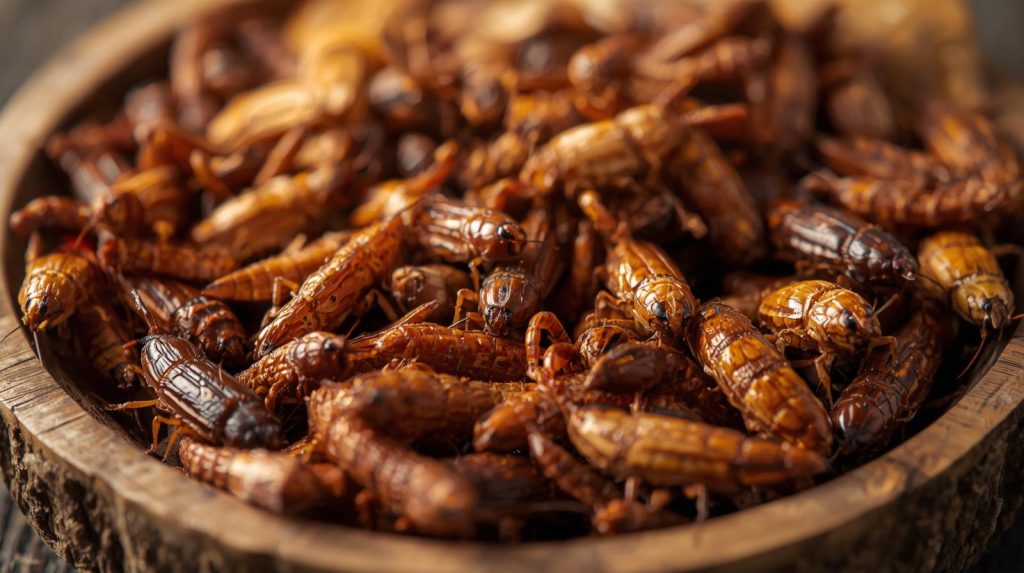
Edible insects like crickets, mealworms, and silkworms contain bioactive metabolites such as cantharidin, pancratistatin, chitosan, and roseoflavin, each offering diverse biological activities:
- Anti-Cancer & Tumor Suppression: Compounds like cantharidin and narciclasin exhibit potent anticancer properties by inducing apoptosis in cancer cells.
- Cardiovascular Health: Peptides derived from insects show antihypertensive effects by inhibiting ACE (angiotensin-converting enzyme), a key player in blood pressure regulation.
- Anti-Inflammatory & Antioxidant Benefits: Chitin and glycosaminoglycans reduce inflammation and oxidative stress, contributing to better immune responses and gut health.
- Neuroprotective Properties: Certain insect-derived alkaloids help protect nerve cells from degeneration and oxidative damage.
These findings position edible insects as a promising functional food source for chronic disease prevention.
Extraction and Purification of Bioactive Compounds
The study highlights modern techniques like High-Performance Liquid Chromatography (HPLC) and Gas Chromatography (GC) for isolating these beneficial compounds. Proper extraction ensures the retention of their biological activity for applications in nutraceuticals, functional foods, and pharmaceuticals.
Consumer Attitudes Towards Edible Insects
Despite the science-backed benefits, consumer acceptance remains a challenge due to cultural taboos, safety concerns, and unfamiliarity. However, education on the nutritional value, environmental sustainability, and taste innovations in insect-based foods can shift perceptions, especially in Western markets.
Marketing strategies emphasizing eco-friendliness, health, and culinary creativity could help normalize entomophagy (the practice of eating insects).
Conclusion
The integration of edible insects into mainstream diets offers a dual advantage—human health improvement and environmental sustainability. As research deepens into insect-derived bioactive compounds, they hold potential for developing functional foods and natural therapeutics.
By addressing consumer perceptions and leveraging innovative food technologies, edible insects could become a cornerstone of future sustainable nutrition.
Reference
Ishara, J., Ekaette, I., Matendo, R., Vandenberg, G., Niassy, S., Katcho, K., & Kinyuru, J. (2025). Potential health benefits of insect bioactive metabolites and consumer attitudes towards edible insects. Npj Science of Food, 9(1), 195. https://doi.org/10.1038/s41538-025-00549-x


Related posts:
 Unlocking the Probiotic and Anticancer Potential of Levilactobacillus brevis from Fermented Shalgam
 Co-encapsulation of Probiotics and Black Carrot Bioactives Offers New Route to Functional Foods
 Traditional Sardinian Fermented Milk Boosts Gut Health by Reshaping Microbiota
 Sustainable Growing Media Boosts Glasshouse Strawberry Production and Soil Health
 Boosting Sunflower Growth in Saline Soils: The Role of Phosphate-Solubilizing Bacteria and Phosphorus-Enriched Biochar


