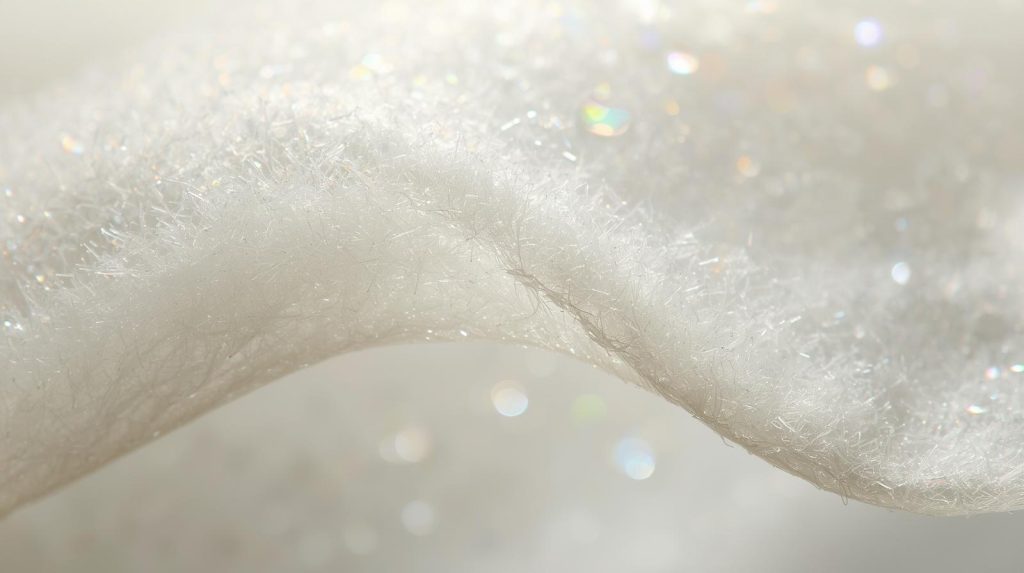

Bacterial cellulose (BC) is a highly pure, renewable biopolymer produced by certain microbes, known for its exceptional strength, biocompatibility, and biodegradability. Despite its promise in biomedical and industrial applications, its natural stiffness has limited its wider adoption. A new study introduces a breakthrough approach: glycerol-plasticized bacterial cellulose, which transforms rigid BC into a softer, more flexible, and biodegradable material suitable for diverse uses.
Turning Rigid Cellulose into Flexible Materials
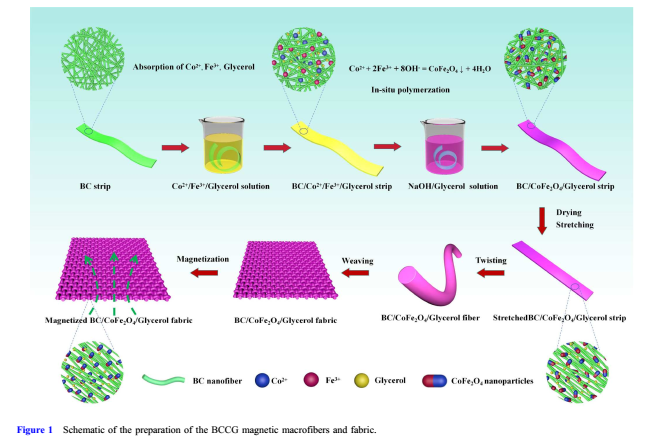
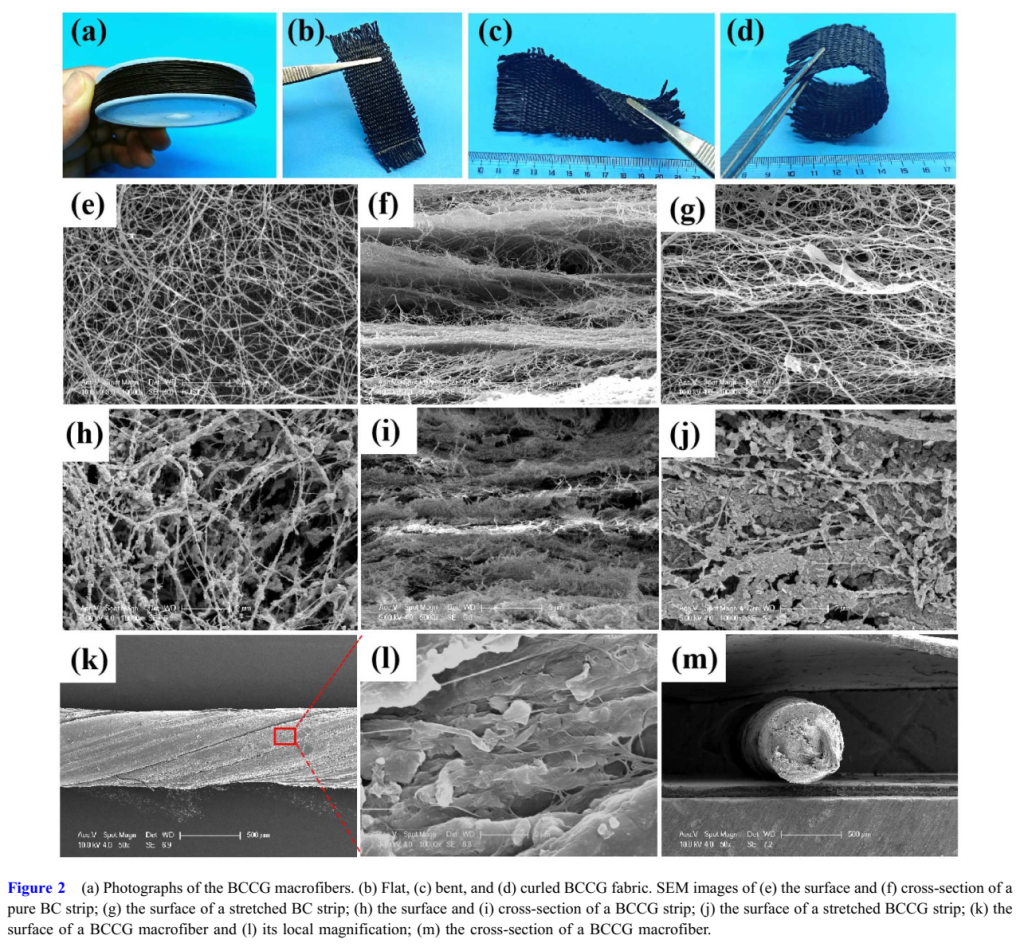
By incorporating glycerol, a safe and biodegradable plasticizer, researchers were able to significantly enhance the flexibility, softness, and handling properties of bacterial cellulose without compromising its biocompatibility. This modification expands BC’s potential beyond traditional uses, making it more adaptable for applications that require both strength and pliability.
Biodegradable and Sustainable Advantage
Unlike petroleum-based plastics, glycerol-plasticized bacterial cellulose remains fully biodegradable and environmentally friendly, offering a green alternative for packaging, medical textiles, and wearable devices. The study highlights that the material retains its durability while allowing natural degradation—an essential factor for reducing long-term waste in medical and consumer products.
Applications in Medicine and Industry
The improved flexibility and softness of the modified cellulose make it especially attractive for medical dressings, tissue scaffolds, and drug delivery systems, where patient comfort and adaptability are crucial. Beyond healthcare, it could also serve as an eco-friendly substitute for synthetic polymers in packaging and flexible electronics.
Toward a Greener Future
By combining biodegradability, renewability, and mechanical versatility, glycerol-plasticized bacterial cellulose represents a next-generation biomaterial that aligns with global sustainability goals. Its dual role as a functional and eco-friendly material could accelerate the shift toward greener solutions in medicine, textiles, and consumer industries.
Reference
Hu, S., Shi, Z., Li, L., Wang, C., Xing, J., Chen, X., Zhou, H., & Yang, G. (2025). Soft and biodegradable glycerol-plasticized bacterial cellulose/CoFe2O4 magnetic macrofibers for fabric-based magnetoelectric sensors. Science China Technological Sciences, 68(10), 2020202. https://doi.org/10.1007/s11431-025-3014-6
Related Articles


Related posts:
 Panama Wilt: Understanding and Managing the Banana Killer
 Bacterial Cellulose: A Game-Changer for Plant Wound Healing and Regeneration
 Gene Gun Gets a Major Upgrade: Flow Guiding Barrel Boosts Plant Genome Editing Efficiency
 Unlocking Nature’s Toolkit: How Plants Use Hormones to Build Organs for Symbiosis and Survival
 Breakthrough in Seed Biology: Scientists Discover Fertilization-Triggered “Nutrient Gate” That Controls Seed Size


