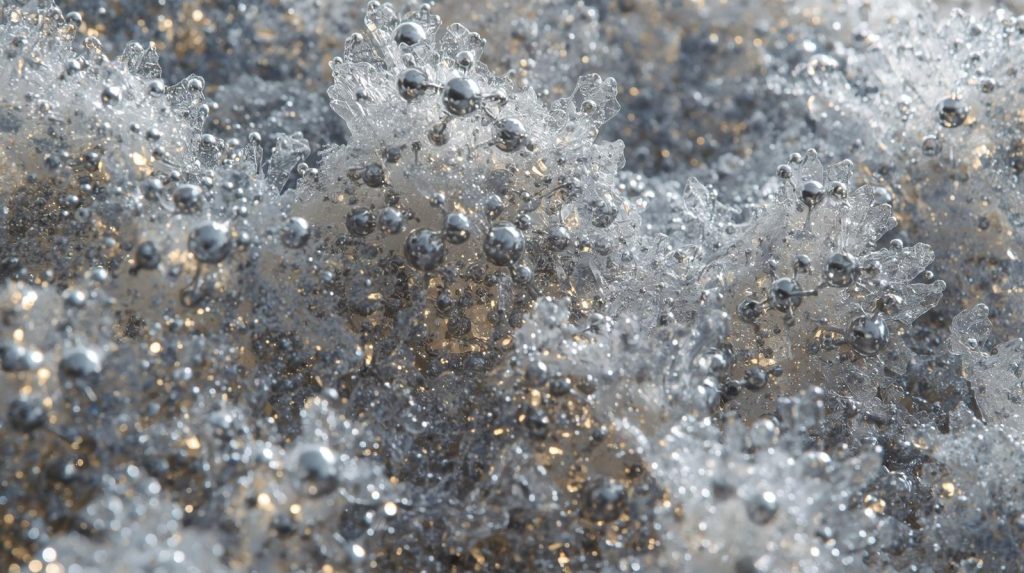

Green Nanotechnology Meets Microbial Defense
Researchers have successfully optimized the biosynthesis of silver nanoparticle-kombucha cellulose nanocomposites, unveiling a sustainable, high-performance antimicrobial material. By merging eco-friendly kombucha cellulose membranes with bioactive silver nanoparticles, the study presents a next-generation material capable of tackling microbial threats while remaining environmentally conscious.
Key Highlights of the Study
- Eco-Friendly Synthesis: Kombucha-derived cellulose provides a renewable, biodegradable matrix.
- Enhanced Antimicrobial Action: Silver nanoparticles embedded within the cellulose structure inhibit a wide range of harmful microbes.
- Sustainable Biomedical Applications: Potential use in wound dressings, food packaging, and water purification.
Why It Matters
With rising concerns over antibiotic resistance and plastic pollution, the study offers a biodegradable, green, and highly effective antimicrobial solution—a step toward safer healthcare and environmental sustainability.
Conclusion
This innovation blends biotechnology, materials science, and environmental sustainability, opening doors for advanced medical materials that protect human health while preserving the planet.
Reference
Aboul-Nasr, M. B., Yasien, A. A., Mohamed, S. S., & Obiedallah, M. (2025). Optimized biosynthesis of bioactive silver nanoparticle-kombucha cellulose nanocomposites for enhanced antimicrobial applications. Applied Microbiology and Biotechnology, 109(1), 209. https://doi.org/10.1007/s00253-025-13585-0


Related posts:
 Boosting Sunflower Growth in Saline Soils: The Role of Phosphate-Solubilizing Bacteria and Phosphorus-Enriched Biochar
 Bacteriocins vs. Biofilms: A Low-Cost Breakthrough in the Fight Against Antibiotic Resistance
 Fermented Food-Derived Lactic Acid Bacteria Reduce Virulence of Enterococcus faecalis: A Natural Antimicrobial Strategy
 Ganoderma lucidum: A Natural Antivenom Against Deadly Snake Venom
 Unlocking the Power of Sorghum: Natural Antimicrobial and Anticancer Potential Revealed


