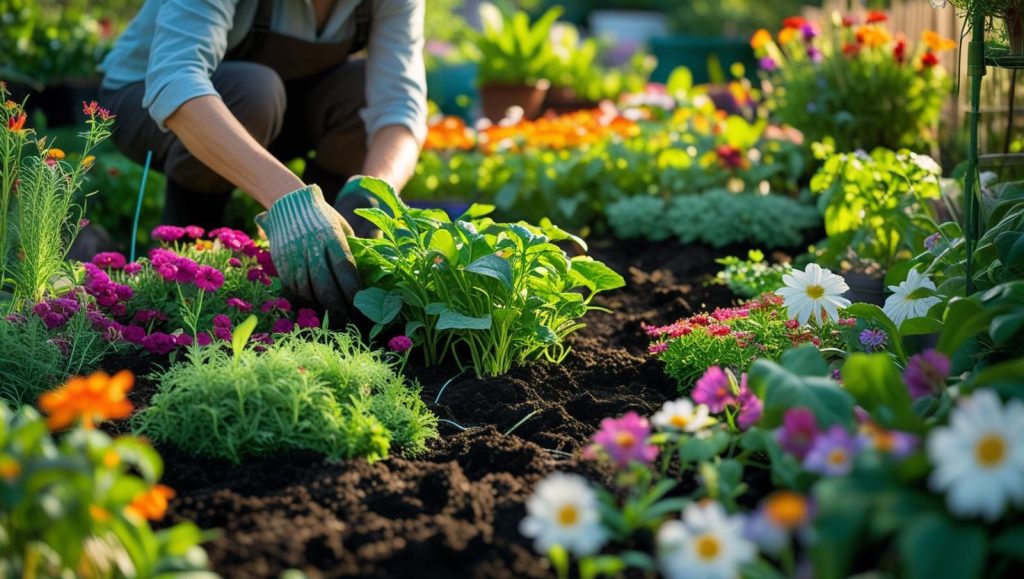

In a groundbreaking study blending nature and neuroscience, Korean researchers have discovered that gardening in soil inoculated with the soil bacterium Streptomyces rimosus significantly improves mood and brain function in adults experiencing depressive symptoms.
Published in Scientific Reports, the study involved 30 participants with clinically defined depressive mood and anxiety. They engaged in 20-minute seed-sowing activities using two types of soil — one sterilized and the other enriched with S. rimosus, a microbe known for producing earthy-smelling volatile organic compounds (VOCs) like geosmin and 2-methylisoborneol (2-MIB).
Soil Microbes Meet Mental Health
This isn’t just feel-good gardening. The study used EEG to track brainwave activity and blood tests to measure serum metabolites. Results showed that exposure to VOCs from S. rimosus enhanced alpha and theta waves — biomarkers of relaxation, reduced stress, and improved concentration. Simultaneously, harmful stress indicators, such as beta and gamma wave activity, decreased.
“We observed that even short-term exposure to VOCs released by Streptomyces rimosus triggered measurable psychophysiological responses,” said lead researcher Dr. Risu Kim from Konkuk University. “Participants showed relaxed yet attentive brain states — what we call a ‘flow-like’ condition — which may help counteract symptoms of depression.”
Nature’s Aromatherapy: How VOCs Work
Unlike synthetic antidepressants, S. rimosus acts through natural olfactory pathways. The VOCs emitted during soil interaction stimulate the olfactory bulb — directly connected to the brain’s emotional and cognitive centers. This unique route bypasses traditional medication pathways, offering a side-effect-free alternative.
Metabolic Boost for the Mind
Beyond brainwaves, serum metabolomic analysis revealed increased levels of succinic acid, glycolic acid, and fatty acids — all key components of energy metabolism and neurological health. Decreased glucose levels further suggested enhanced cellular energy use, crucial in combating the fatigue commonly linked to depression.
These metabolic shifts also correlated strongly with EEG activity, reinforcing the link between soil-derived olfactory stimuli and systemic mental health benefits.
A New Frontier in Depression Treatment?
This research adds weight to the growing field of horticultural therapy — particularly microbial horticulture. While previous studies have shown that interacting with plants can improve mood, this study highlights the power of soil microbes themselves as therapeutic agents.
With depression on the rise globally and many hesitant to seek clinical treatment, natural, non-pharmacological interventions like these could offer a low-cost, stigma-free option.
Next Steps: From Backyard to Biotech
While the sample size was small, researchers are optimistic. Future studies aim to identify the specific VOCs most responsible for these effects and explore long-term outcomes in more diverse populations. There’s even potential for commercial applications — think microbial soil sprays, indoor gardening kits, or nature-based mental wellness centers.
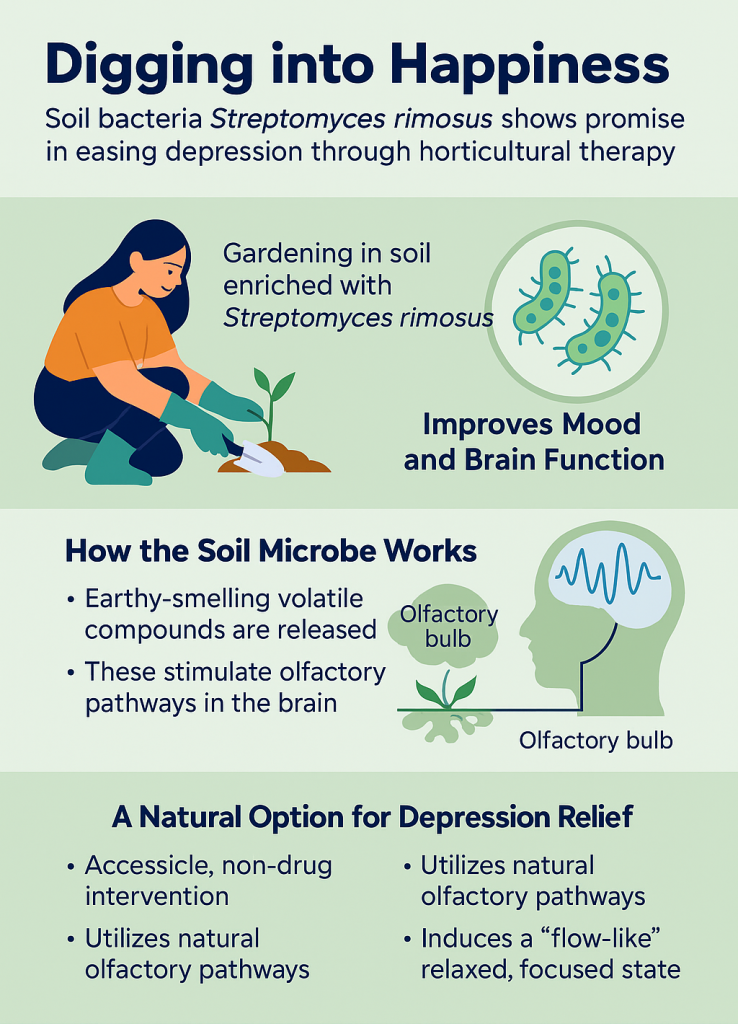
TL;DR:
Want to beat the blues? It might be time to get your hands dirty — literally. Gardening with soil enriched with Streptomyces rimosus doesn’t just grow plants; it may also grow happiness.
Reference:
Kim, R., Yang, S., Lee, C. H., & Park, S. A. (2025). Horticultural activity in soil inoculated with Streptomyces rimosus improved depressive mood with altered electroencephalogram and serum metabolism in adults. Scientific Reports, 15(1), 2197. https://doi.org/10.1038/s41598-024-79159-8


Related posts:
 World Economic Forum: Top 10 Emerging Technologies of 2023
 Thiomargarita magnifica: The Bacteria Big Enough to be Visible by the Naked Eye
 Panama Wilt: Understanding and Managing the Banana Killer
 New Class of Antibiotics with a Novel Mode of Inhibition against World Health Organization’s Critical Listed Bacteria, Carbapenem-Resistant Acinetobacter baumannii
 Whats in your Gut? One ingestible pill coming up for understanding the microbiota inside small intestine